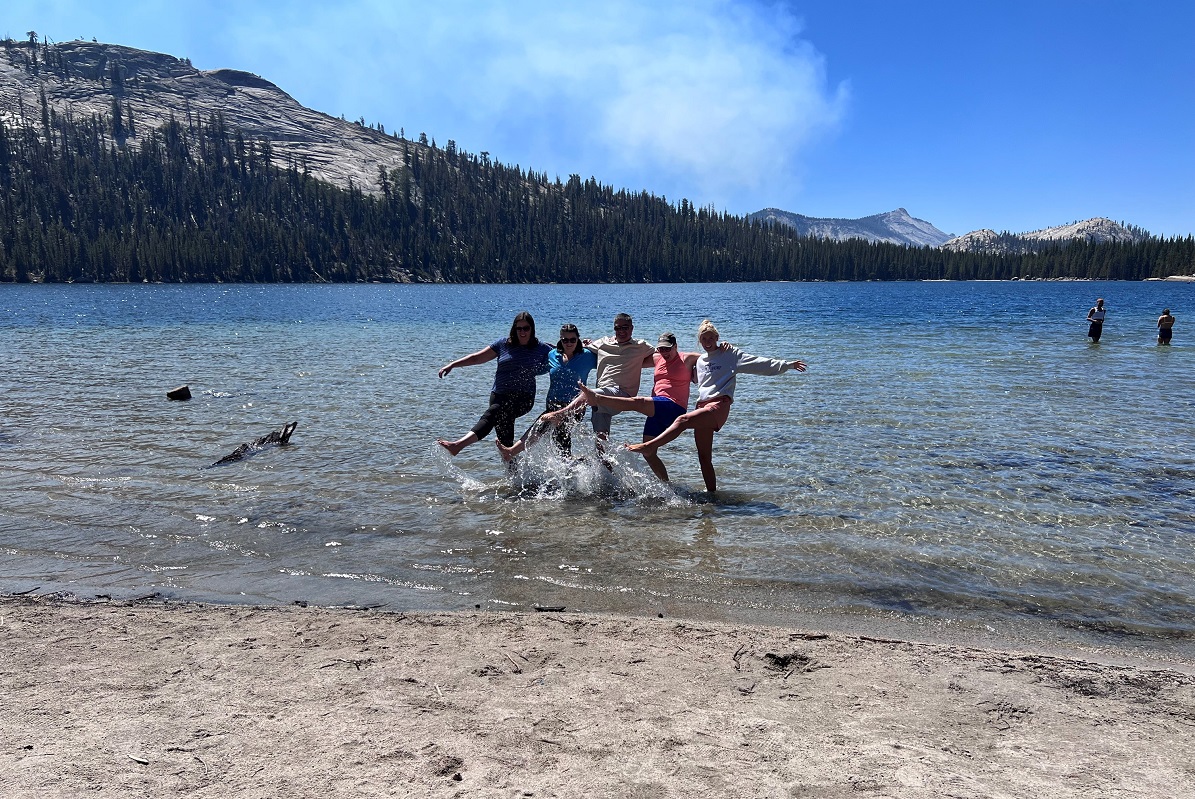


(This article was updated in July 2026 with refreshed recommendations and images to better help guests plan their Yosemite getaway.)
Yosemite National Park has four main vehicle entrances: Big Oak Flat, Arch Rock, South, and Tioga Pass. These entrances connect to the park’s primary road network and provide routes to Yosemite Valley. A fifth, lesser-known entrance—Hetch Hetchy—leads to a separate, quieter corner of the park without a through-route to Yosemite Valley. Each entrance opens the door to a different adventure, from thundering waterfalls and towering granite cliffs to alpine lakes, giant sequoias, and peaceful mountain meadows.
The best Yosemite entrance depends on where you’re traveling from, what you want to experience, and the time of year. You might enter through one of the four main gateways to explore Yosemite’s most famous landmarks, then leave through another to take in a whole new stretch of scenery. In this guide, we compare the features and landmarks near all five Yosemite entrances to help you choose your ideal path into the park.
Yosemite National Park Entrances Comparison
Compare Yosemite’s four main entrances and the separate Hetch Hetchy entrance by arrival route, nearby attractions, and seasonal access restrictions.
| Entrance | Highway | Arrival Direction | Best For | Seasonal / Access Limitations |
| Big Oak Flat | Highway 120 West | San Francisco, Sacramento, Groveland, Northern California | Yosemite Valley, Rush Creek Lodge visitors, western access to Tioga Road | Open year-round, subject to temporary road closures and weather restrictions |
| Arch Rock | Highway 140 | Merced, Mariposa, El Portal | Direct Yosemite Valley access, lower-elevation driving, Merced River Canyon | Open year-round, subject to temporary road closures and weather restrictions |
| South Entrance | Highway 41 | Fresno, Oakhurst, Los Angeles, Southern California | Mariposa Grove, Wawona, Tunnel View approach, Yosemite Valley access | Open year-round, subject to weather restrictions; some nearby attraction roads and shuttles operate seasonally |
| Tioga Pass | Highway 120 East via US 395 | Lee Vining, Mammoth Lakes, Eastern Sierra, Las Vegas, Nevada | Tuolumne Meadows, Tenaya Lake, High Country, seasonal access to Yosemite Valley | Seasonal; closes for winter and reopens in late spring or early summer |
| Hetch Hetchy | Highway 120 West → Evergreen Road → Hetch Hetchy Road | Northwest via Groveland and the Highway 120 corridor | Hetch Hetchy Reservoir, quieter hiking, Wapama Falls | Daylight access only; separate destination with no through-route to Yosemite Valley; vehicles and trailers over 25 feet long or 8 feet wide are prohibited; road may close or require chains from November to March due to snow and ice |
Before you go: As of 2026, Yosemite National Park no longer requires advance reservations for park access. The standard entrance fee is $35 per private vehicle and is valid for seven consecutive days. Save time at the entrance by purchasing your entrance pass online ahead of time at recreation.gov. Non-U.S. residents ages 16 and older pay an additional $100 per person unless they hold an America the Beautiful nonresident annual pass. Bring ID, and note that entrance stations don’t accept cash. Check the National Park Service’s entrance fees and passes and current road conditions before your trip, as seasonal closures and access requirements can change.

Big Oak Flat Entrance
Best for: Yosemite Valley’s famous sights and access to Tioga Road from the west
Seasonal access: Open year-round, weather permitting; Tioga Road closes in winter
For visitors traveling from the San Francisco Bay Area, Sacramento, or points north, the Big Oak Flat Entrance on Highway 120 is the most direct route into Yosemite National Park. Less than a mile from Rush Creek Lodge, this northwest entrance is closest to two of Yosemite’s giant sequoia groves and access to the pristine High Country, and puts you on the road to Yosemite Valley’s hit parade of iconic sights, including El Capitan, Yosemite Falls, and Half Dome.
Continue exploring to discover Tunnel View and Glacier Point, where the sweeping views are worth the extra drive. Yosemite Valley is also home to world-famous big wall climbing on El Capitan, and visitors can watch experienced climbers scale the granite monoliths. October is commonly known as “Rocktober,” when cooler temperatures bring prime climbing conditions.
Big Oak Flat is also a convenient western gateway to Tioga Road, which winds through Yosemite’s High Country toward Tuolumne Meadows, Tenaya Lake, and the eastern Sierra Nevada. When the road is open, you can continue east toward Mono Lake and Mammoth Lakes or take your time exploring alpine scenery along the way.
Look for opportunities to hike away from the masses, enjoy peaceful birdwatching, cast a fishing line, or settle in for some mind-blowing stargazing beneath the Milky Way. Farther downstream, the Tuolumne River also delivers world-class whitewater rafting adventures in Tuolumne County.
Hetch Hetchy Entrance
Best for: Fewer crowds, scenic hiking, and exploring a quieter side of Yosemite
Seasonal access: Open year-round, weather permitting; access limited to daylight hours between sunrise and sunset; possible winter closures or tire chain requirements
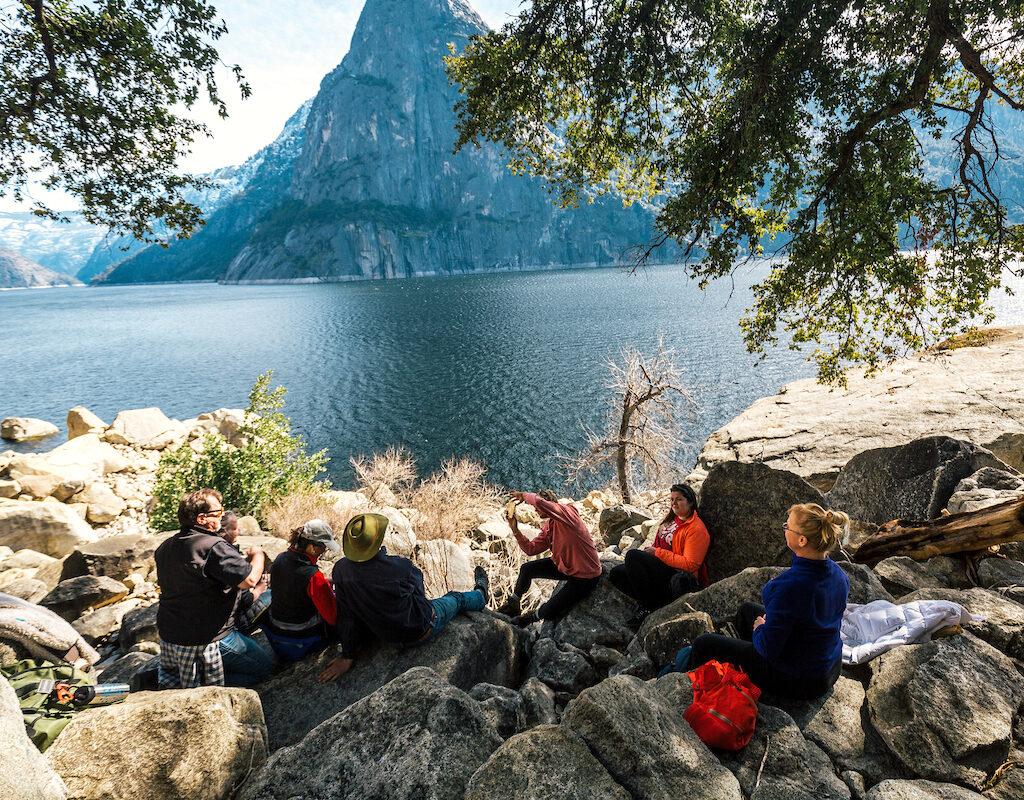
Yosemite’s lesser-known fifth entrance, Hetch Hetchy is located in the far northwest section of the park. The Hetch Hetchy entrance station is about a 25-minute drive from Rush Creek Lodge. Unlike the other entrances, it doesn’t connect to Yosemite Valley by road, so plan to visit Hetch Hetchy as a destination of its own.
The entrance is accessible by car from sunrise to sunset. Vehicles or vehicle-trailer combinations exceeding 25 feet in length or 8 feet in width are not permitted on the narrow Hetch Hetchy Road. Public transportation is not available, and the road may close or require tire chains from November through March because of ice and snow.
Hetch Hetchy is one of the best Yosemite entrances for hiking, thanks to its relatively long hiking season from early spring through fall and trails for different experience levels. Some visitors are happy to simply stroll across O’Shaughnessy Dam, soak in the stunning reservoir views, and step back in time with the historic exhibits. Beginner to moderate hikers can follow the trail along the reservoir toward Wapama Falls. More adventurous hikers and backpackers love Hetch Hetchy for its many points of access into Yosemite’s wilderness.
Not sure where to start? Let the experts at nearby Rush Creek Lodge guide you. Our 4.5-mile Hetch Hetchy Wapama Falls Naturalist Hike combines spectacular scenery with fascinating insights into the area’s history, science, and local lore. Your knowledgeable guide will share stories you won’t find on the trail signs. Learn more about our guided excursions in Yosemite National Park.

Arch Rock Entrance
Best for: A lower-elevation drive into Yosemite Valley with access to the center of the park
Seasonal access: Open year-round, weather permitting
Yosemite’s Arch Rock Entrance on Highway 140 welcomes visitors with two house-sized boulders that form a natural archway along the road. It’s the closest park entrance to Yosemite Valley by road, making it a convenient choice for visitors focused on the Valley’s famous landmarks. Approaching from Merced, Mariposa, or El Portal, this route puts you close to the center of the park as well as to iconic sights such as Yosemite Falls, Half Dome, and El Capitan.
The drive follows the Merced River through a gorgeous canyon, with towering granite walls and river views along the way. Continue into Yosemite Valley to discover Pohono Bridge, Bridalveil Fall, and the famous granite cliffs that make this part of the park unforgettable. Arch Rock is considered one of Yosemite’s most scenic approaches, and Highway 140 is often the easiest drive for visitors who prefer lower elevations and fewer winding mountain roads.
South Entrance
Best for: Visiting Mariposa Grove of Giant Sequoias, Wawona, and Tunnel View
Seasonal access: Open year-round, weather permitting; Mariposa Grove shuttle service operates seasonally
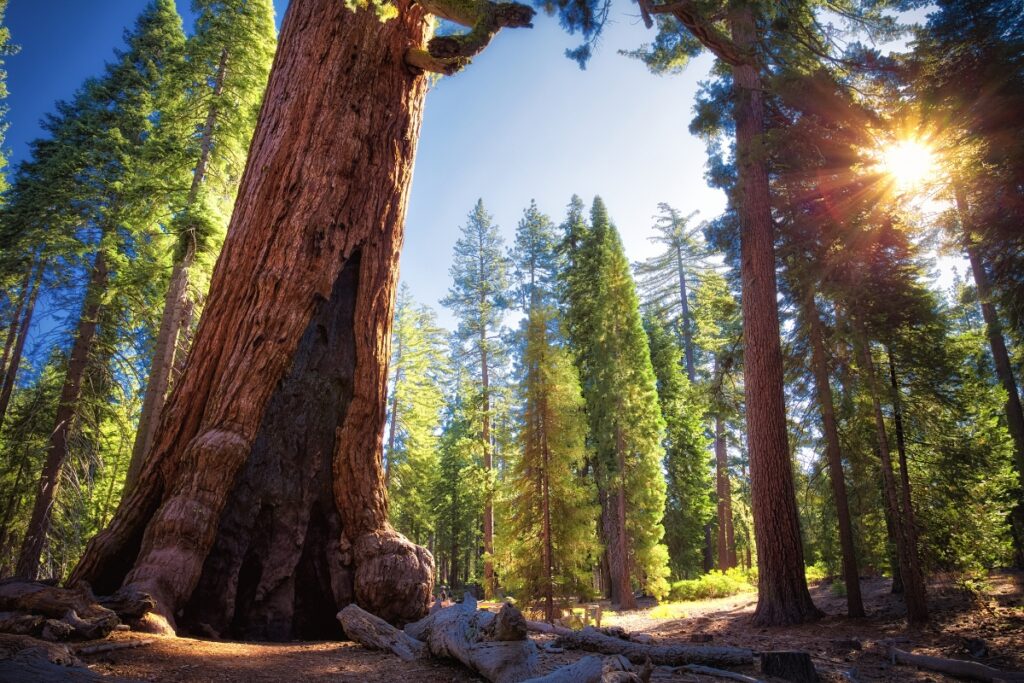
The South Entrance on Highway 41 is ideal for visitors traveling from Fresno, Oakhurst, and Southern California. This route takes you past Mariposa Grove of Giant Sequoias and through historic Wawona before continuing toward Yosemite Valley. At Mariposa Grove, home to hundreds of ancient trees, a free seasonal shuttle carries visitors from the Welcome Plaza to the grove. When shuttle service is unavailable, access generally requires a longer walk.
Historic Wawona is home to the Pioneer Yosemite History Center, historic buildings, a charming golf course, and seasonal activities such as horseback riding, blacksmith demonstrations, and horse-drawn carriage rides. Continue north for the classic approach to Tunnel View, where a sweeping panorama of El Capitan, Half Dome, and Bridalveil Fall awaits.
Tioga Pass Entrance
Best for: Exploring Tuolumne Meadows, Tenaya Lake, and Yosemite’s High Country from the east
Seasonal access: Closes every winter; typically open from late spring or early summer through fall depending on snow conditions
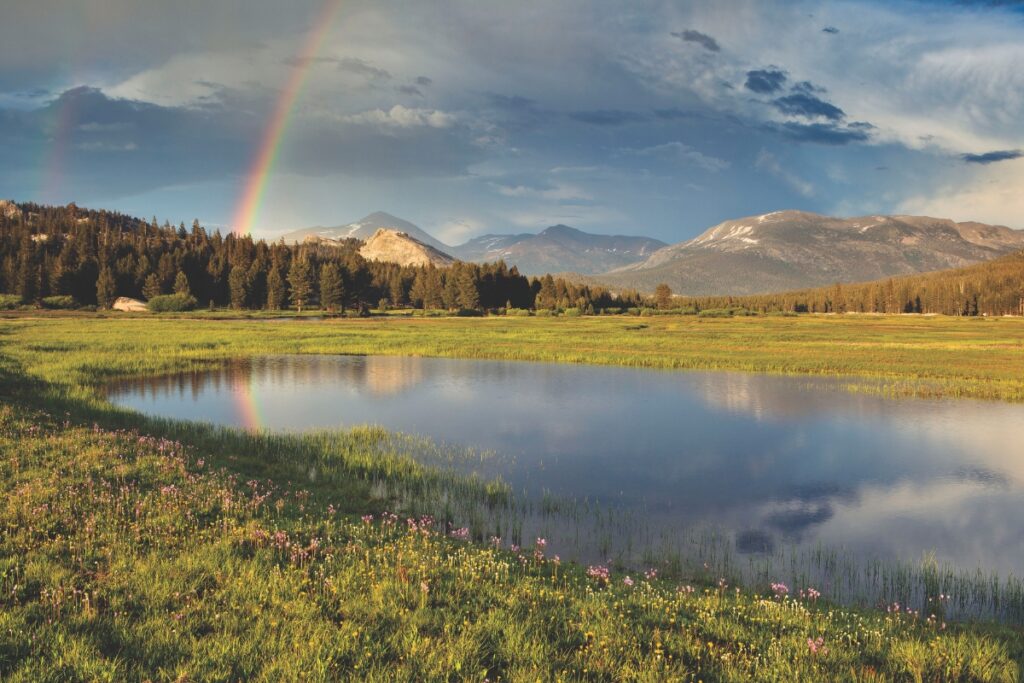
The Tioga Pass Entrance on Highway 120 East is Yosemite’s eastern gateway, welcoming visitors traveling from Lee Vining, Mammoth Lakes, the eastern Sierra Nevada, and big road trips to/from Las Vegas, Nevada. It’s the best entrance for exploring Yosemite’s pristine High Country, including Tuolumne Meadows, Tenaya Lake, and Olmsted Point. When Tioga Road is open, visitors can continue west to Crane Flat, and then follow Big Oak Flat Road into Yosemite Valley.
Tioga Road is the only road through the High Country. It’s your ticket to epic camping, hiking, and backpacking through endless miles of alpine meadows, pristine lakes, and otherworldly granite peaks. At times, it can feel like you have the park all to yourself.
Along the way, don’t miss these High Country highlights:
- Tenaya Lake: Terrific for a roadside picnic, kayaking, or stand-up paddleboarding amid spectacular mountain scenery. Inflatable SUP equipment rentals are available through our Recreation Desk.
- Olmsted Point: A must for sweeping views of Yosemite’s wilderness and an unusual perspective of Half Dome. Whether you’re up for a wild adventure or a leisurely day of sightseeing, it’s worth the stop.
The Best Yosemite Entrance for Every Traveler
No matter where you start in Yosemite National Park, you’re surrounded by breathtaking landscapes and opportunities for adventure at every turn, but the best entrance to Yosemite depends on where you’re coming from and what you want to experience. The four main entrances all lead to Yosemite Valley, while Hetch Hetchy is a separate destination. Here’s a quick guide to choosing your route:
- Big Oak Flat Entrance: Best for visitors traveling from Northern California, staying at Rush Creek Lodge, or planning to explore Yosemite Valley and Tioga Road.
- Hetch Hetchy Entrance: Best for hikers and travelers seeking fewer crowds, scenic reservoir views, and a quieter Yosemite experience.
- Arch Rock Entrance: Best for visitors who prefer a lower-elevation drive into Yosemite Valley, with fewer winding mountain roads.
- South Entrance: Best for giant sequoias, Wawona’s historic attractions, and the classic approach to Tunnel View.
- Tioga Pass Entrance: Best for summer and fall adventures in Yosemite’s High Country or travelers entering from the eastern Sierra Nevada when the road is open.
From cascading waterfalls and granite peaks to gentle rolling meadows and meandering streams, you can see it all in Yosemite National Park. Spend more time exploring when you stay at Rush Creek Lodge, less than a mile from Big Oak Flat Entrance and a short drive from Hetch Hetchy. Book your Yosemite stay today!
Frequently Asked Questions About Yosemite Entrances
Which entrance is best for a first-time visit to Yosemite?
Big Oak Flat is a great choice for first-time visitors traveling from Northern California or staying at Rush Creek Lodge. Like the other three main entrances, it connects to Yosemite Valley’s famous landmarks, including El Capitan, Half Dome, and Yosemite Falls. Arch Rock is another excellent option, particularly for travelers who prefer a lower-elevation drive into the Valley.
Is Highway 41 or Highway 140 better for entering Yosemite?
Highway 41 through the South Entrance is best for visitors traveling from Fresno or Oakhurst who want to explore Mariposa Grove, Wawona, or Tunnel View. Highway 140 through Arch Rock is generally better for travelers seeking a lower-elevation, less winding drive into Yosemite Valley. The best route depends on your starting point and planned stops.
Can you rely on GPS to find the correct Yosemite entrance?
GPS navigation can be unreliable in Yosemite’s mountainous terrain, and cell service is limited in many areas. Choose your entrance before departing, download offline maps, and check the National Park Service’s current road conditions. Don’t rely on GPS alone, particularly when Tioga Road is closed for winter.
Can you enter Yosemite National Park without a car?
Yes. Yosemite Area Regional Transportation System (YARTS) provides bus service into Yosemite from several gateway communities, with routes and schedules varying by season. Once inside the park, free Yosemite Valley shuttles connect many popular destinations. Check current YARTS schedules and park transportation information before planning a car-free visit.